

Be From Somewhere
But I'm here to tell you we're all from . . . Detroit.

As we kick off a new year and shake off the haze of the holidays, it might be helpful to revisit the basics: “Where are you from?” It’s a question that gets to the crux of a certain matter.
The answer can resonate as a point of pride, division, distinction, derision, and fascination. It can elicit a range of emotion, perception, and association. It lives for folks in turns as nostalgia, the humdrum of day to day reality, and the never realized vision of a possible future. It never changes and can change overnight, sometimes radically, sometimes imperceptibly. It is a public statement of a certain fact processed and filtered by individual sentiment. It can hold people together and drive them apart.1
For folks from southeast Michigan and the southwestern tip of Ontario I fully recognize there are quite reasonable (and legal) reasons for a plethora of answers to the question. But as a certain practical matter, I want to posit it means you’re “from Detroit.”2
One time honored litmus test for this theory is the rule of explaining ourselves to outsiders. If you’re out of state or in a different part of the world and someone asks where you’re from, and you’re from around these parts, the answer is generally, “Detroit.” Or it involves direct reference to not being from Detroit, in one or more of the ways outlined above. That’s usually all anyone really needs to know. “Detroit” is lingua franca on the world’s stage.
Therefore, I submit to you, “Detroit,” without the fussiness of municipal boundary lines, or international borders:
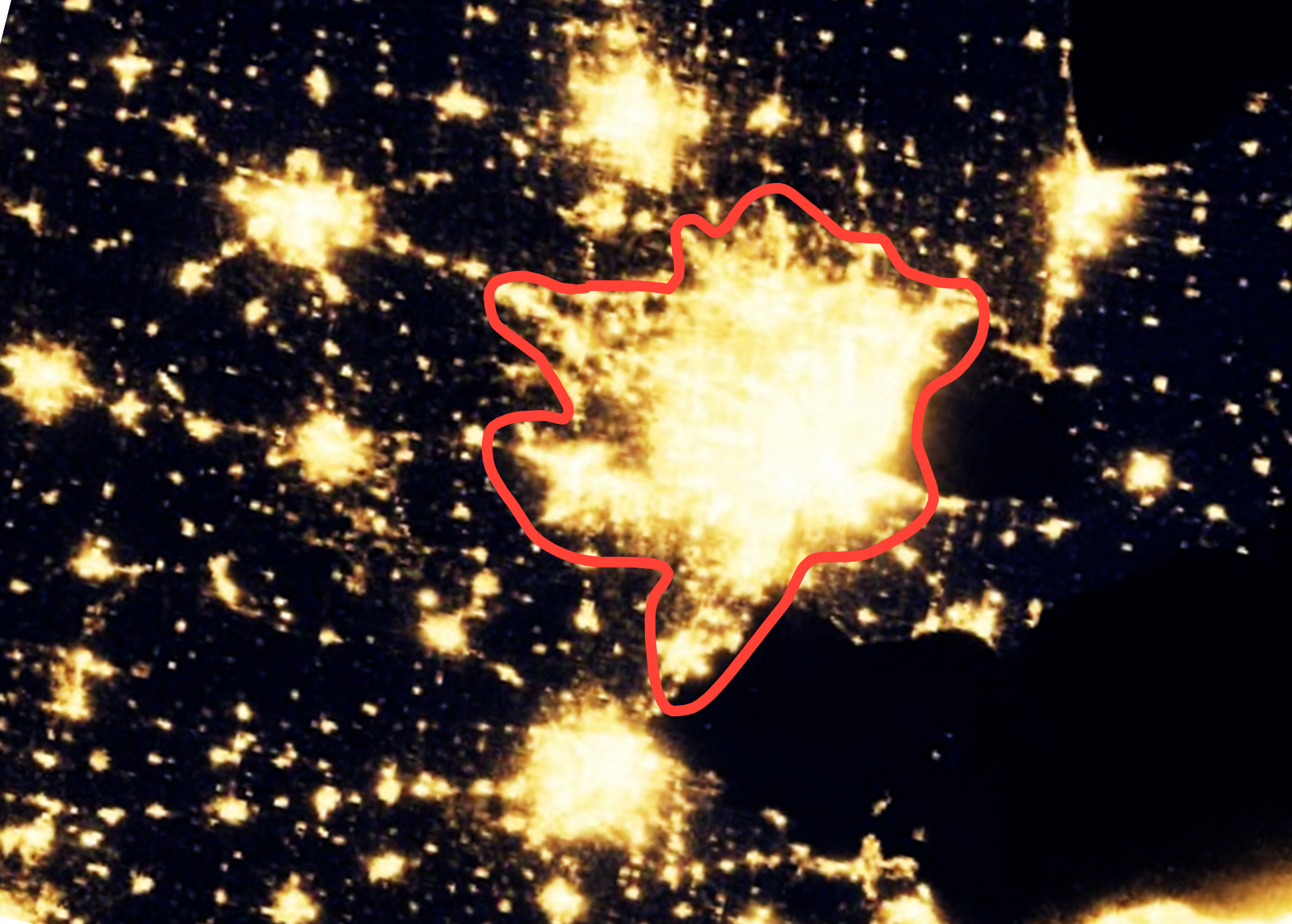
That’s where we’re from. That blob. You’re in there! Do you see yourself?
Except, of course, that blob is much more than Detroit. While the actual City of Detroit is still the biggest single part of that blob, it’s one of hundreds of local units of government, which includes communities across nine counties,3 as well as our neighbors in Windsor, in another country altogether! But together we are home to nearly six million people, the largest “transborder agglomeration” in the Western Hemisphere, beating out San Diego–Tijuana, the next closest, by nearly a million people. In this way, we’re all neighbors, with a shared destiny. Think about it.
Here are a few “what ifs” to chew on a little more:
If we removed just a few of the lines that separate Detroit from its suburban neighbors4, Detroit could again be a top ten U.S. city by population.
Places with roughly similar populations to present day Detroit, like Kansas City, Missouri, or Nashville, Tennessee, are more than double the size of Detroit by land area. Kansas City is 319 square miles. What would a 319 mi² version of Detroit look like?
Detroit would have to grow by 450% to match the municipal land area of a place like Houston, Texas. If Detroit consolidated all of Wayne County it still wouldn’t be as big as Houston by land area. But we would be just behind it by population (and ahead of Phoenix) as the 5th largest U.S. city.
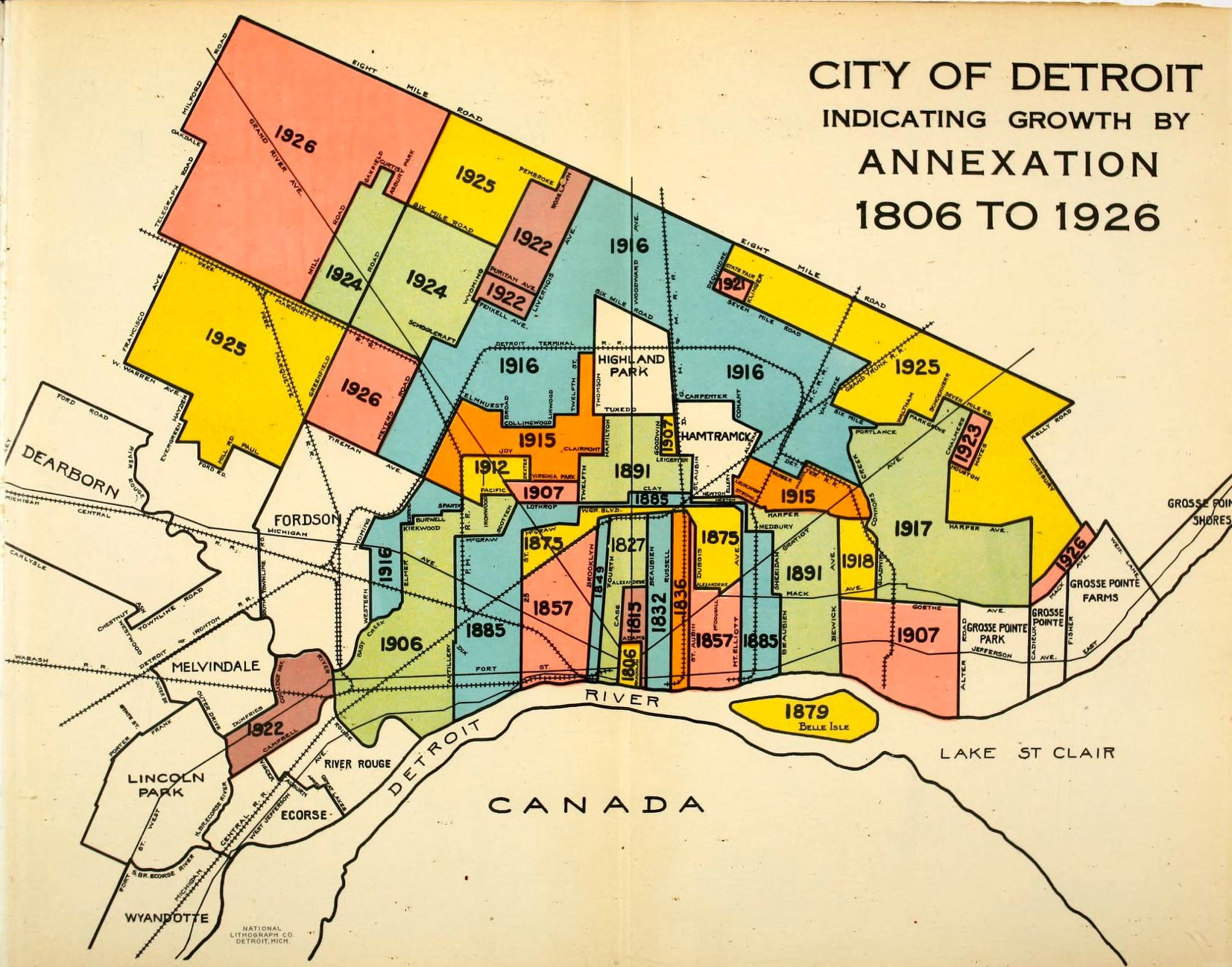
It’s interesting, we’re coming up on the hundred year mark of Detroit's growth being hamstrung by the emergence of Michigan’s “home rule” laws, as outlined in our 1909 and 1963 constitutions,5 which largely defers powers to chartered communities. Suffice to say, the concept of home rule probably requires its own newsletter!6 Before that, Detroit had a much easier time annexing land and neighboring communities, so it could capture tax base as the population kept pushing outwards.
Now, getting back to that blob. . .
It’s an apt metaphor because we can see a local economy in clear, stark terms. We’re all neighbors here. These bright lights are where we’ve invested in creating and managing an infrastructure of life on a mass scale—it’s that simple. And, if all things were equal, neighbors may be just as likely to cross local jurisdictions to go to work, go to school, provide a service, fall in love, go out to eat, attend a sports event or a concert or a movie. We do many of these things without even really thinking about it.
But then again, we actively set up systems and policies that make it more difficult, inequitable for too many, and keep the core city from realizing its true potential.
Wouldn’t it make more sense to have some greatest rational assembly of this geography be our local government? Where we worked to provide for the greatest number people, and worked together to create a vision for the future?
This is where we build our transit systems. This is the milieu where we create and manage a shared vision for land use, make density work, and preserve open space. This is where we figure out primary education, water delivery, and invest in maintaining natural ecosystems. This is the population we tax with uniform regimes for the benefit of our regional cultural and economic assets. This is Detroit.
In a time of reflection, I so often wish we could not only understand ourselves more as neighbors in that singular local economy, but also take meaningful steps to formalize that reality. A place that we build in, build up, and share for the benefit of each other. So that, one day, so many more of us can say, “I’m from Detroit.”
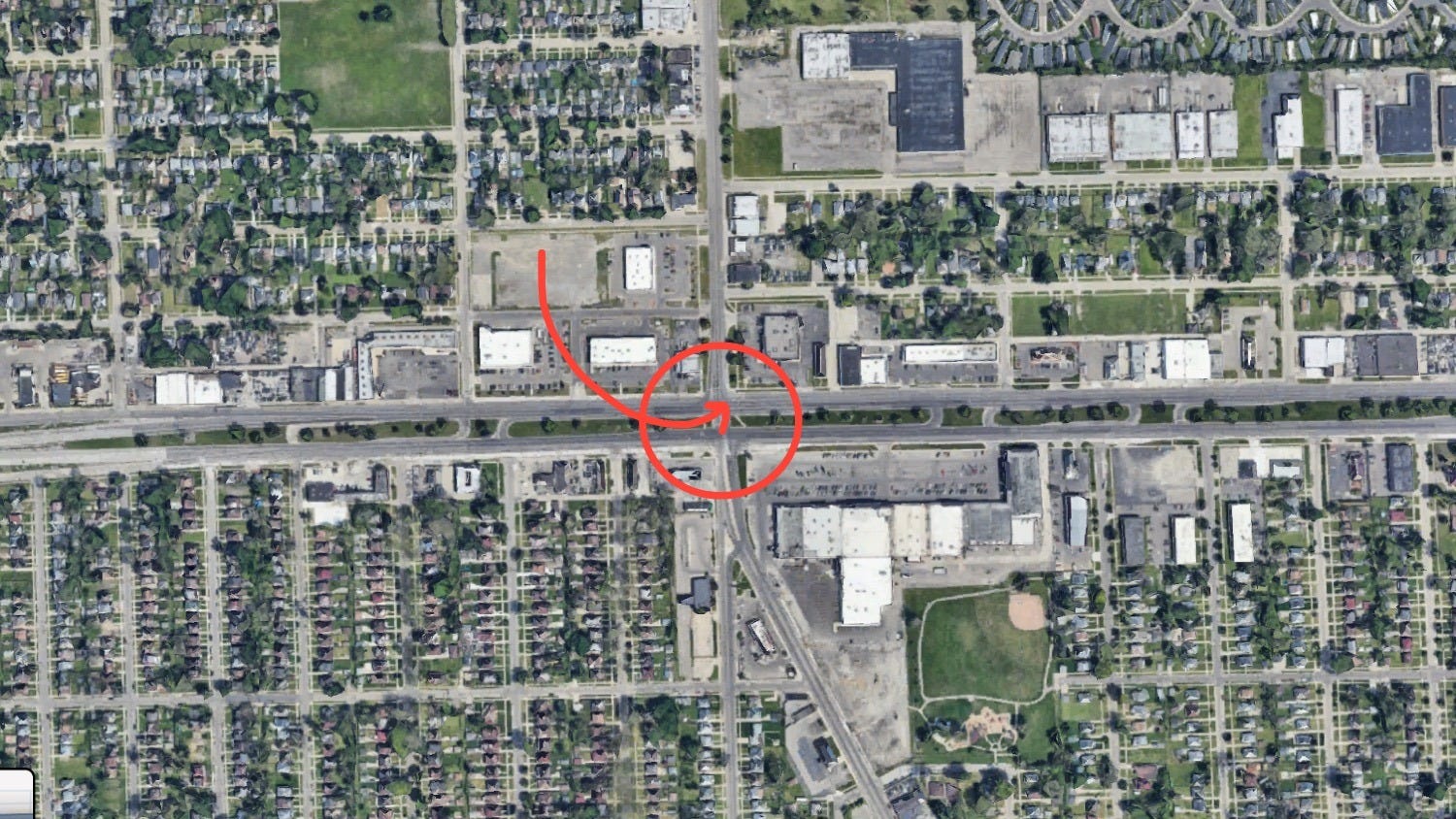
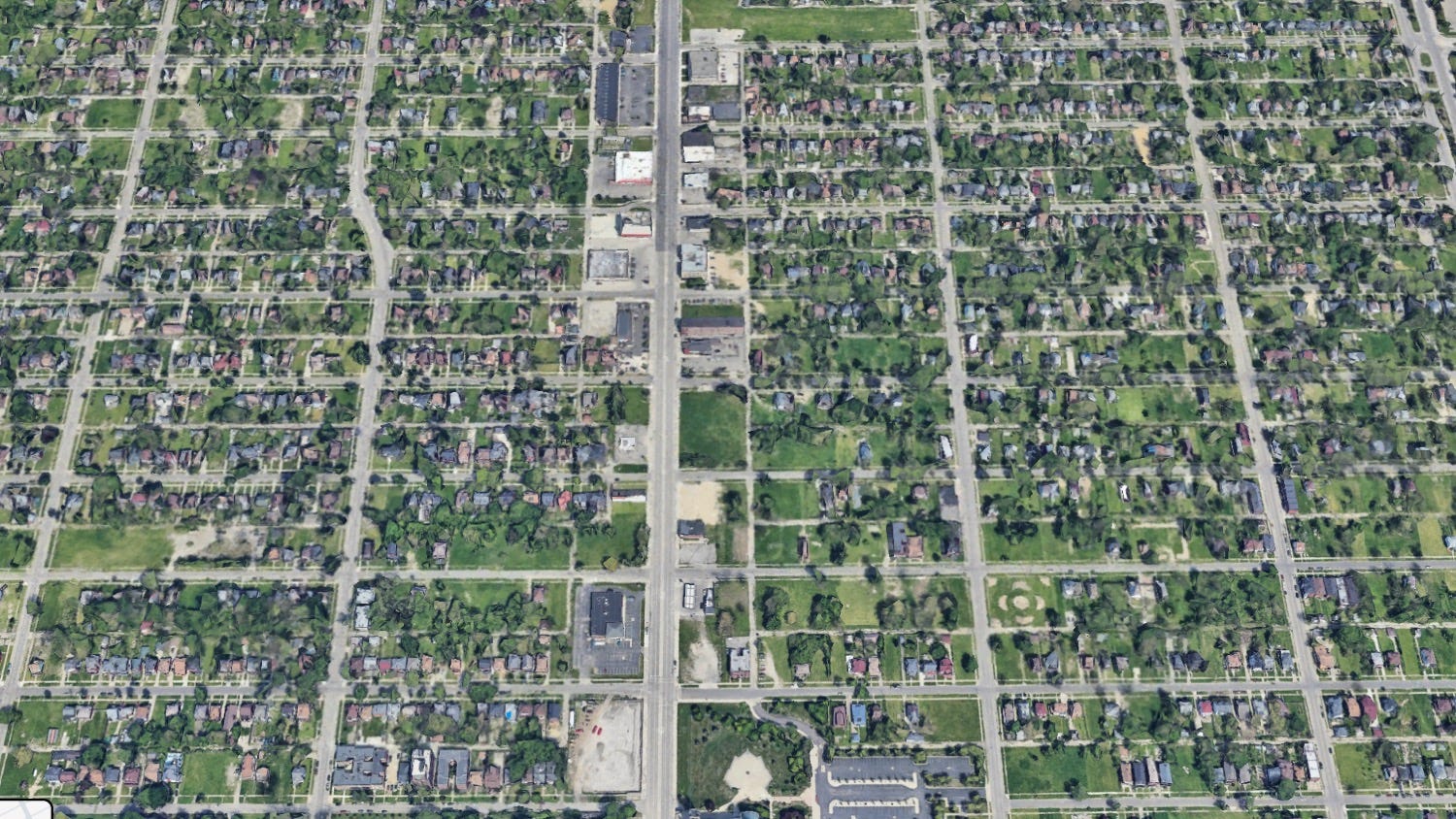
If we removed the lines . . .
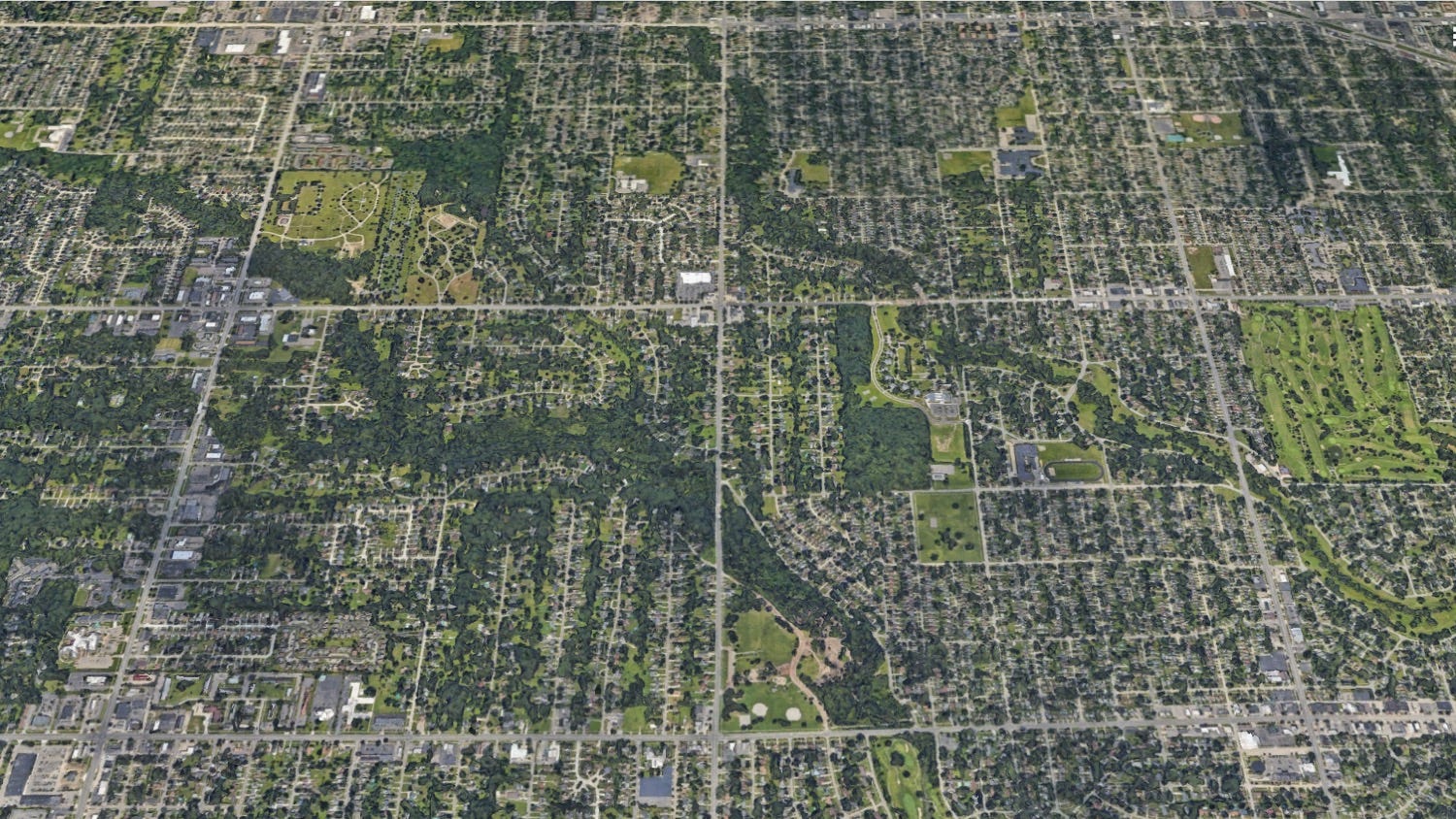
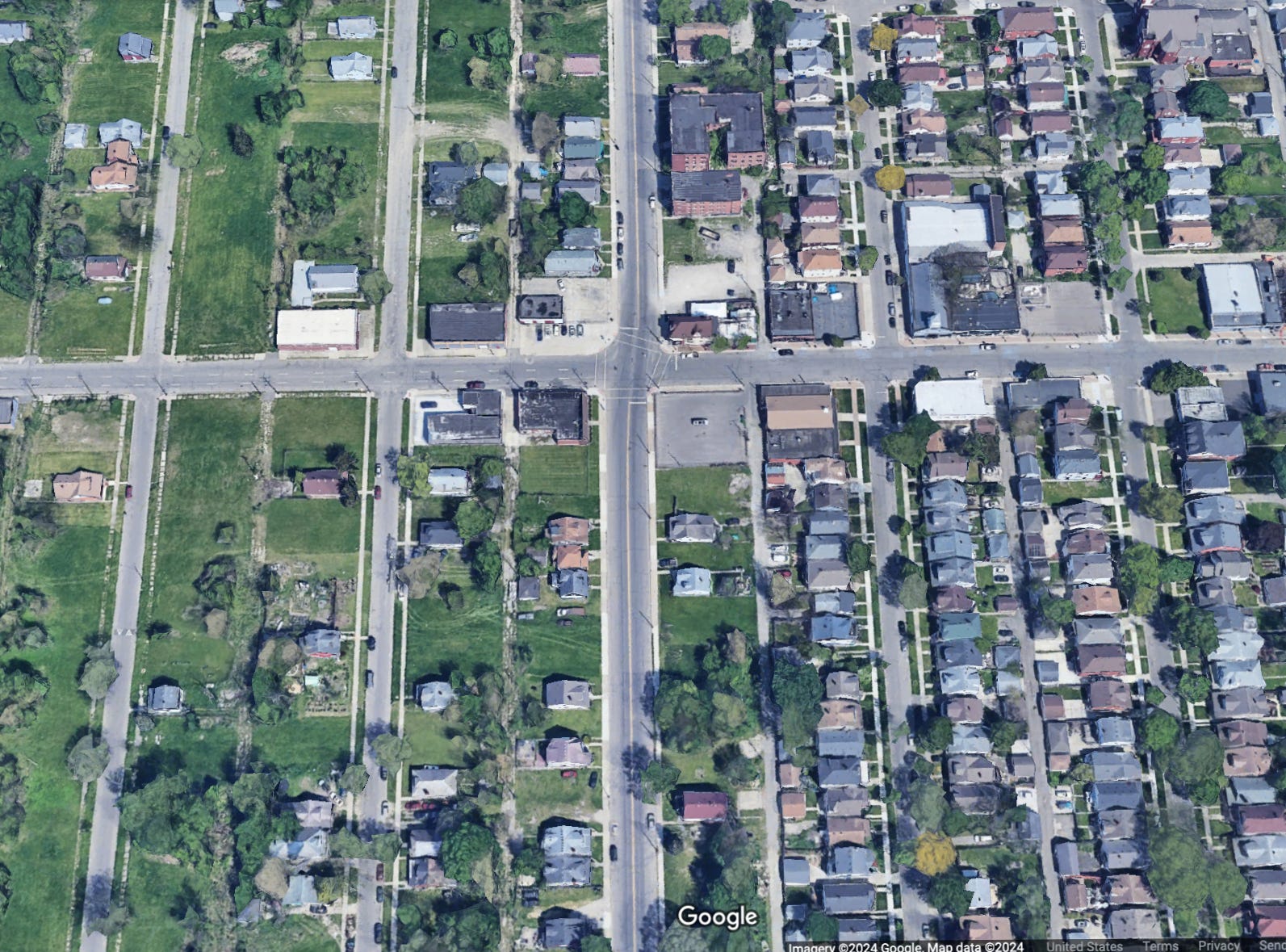
Bonus*, Food for Thought:
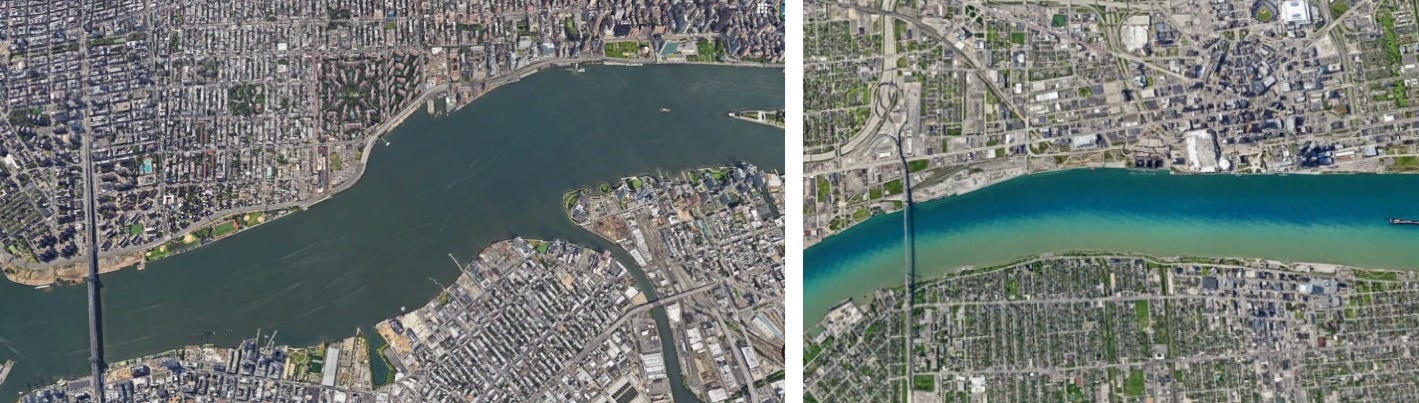
Bonus Bonus, Greater Detroit-Windsor Project’s Reader Poll! Would you?
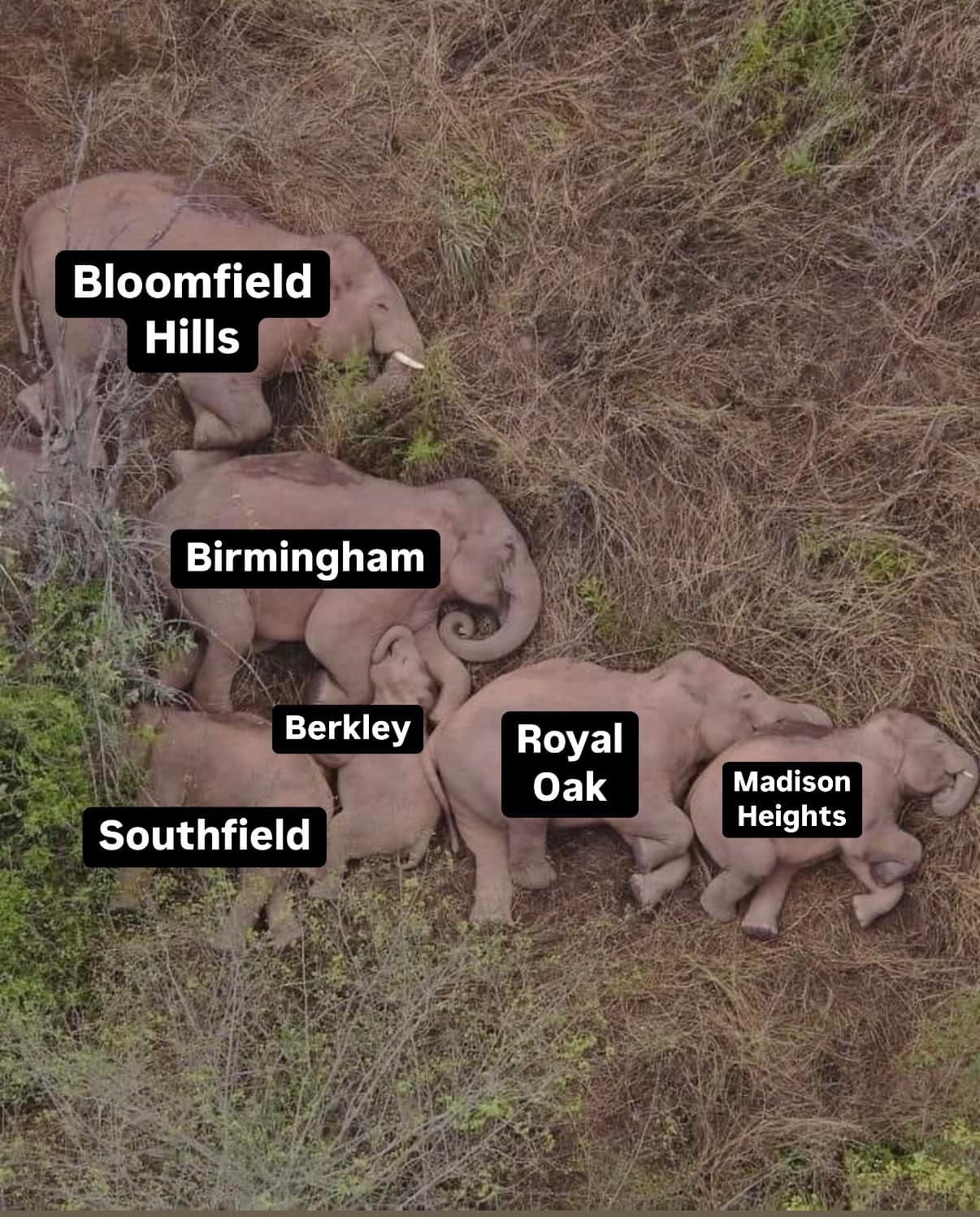
Treble Bonus: All I see is elephants…
“Let us all be from Somewhere,” is a line from Michigan poet Bob Hicock’s 2008 poem, A Primer. It is similar to another quote from an urbanist like Jane Jacobs that I recall but can’t quite put my finger on. Does anyone remember? Any tips appreciated.
I enjoyed noodling with the language of this paragraph, but that’s about the extent of my philosophizing about this subject for the purpose of this newsletter! It’s fun to think about, especially when pondering how people from various parts of the region would answer the question, “Where are you from?” Such a simple question. It can be both lighter and fuel, touching nerves and raising stakes.
I don’t have much practical experience with this but found an interesting thread on Reddit about how, if pressed, Windsorites often refer to themselves as being, “across the river from Detroit.” Feel free to weigh in if you’re from Windsor.
There are currently mechanisms for thinking/working/coordinating along these lines already, including: Our “Big Four” elected officials — Detroit Mayor, and county executives from Wayne, Oakland, and Macomb — who roundtable regularly; The Southeast Michigan Council of Governments (SEMCOG) helps to coordinate certain planning, environmental quality, and economic development strategies among its 184 members. Combined Statistical Areas (CSAs) Metropolitan Statistical Areas (MSAs) are used largely by the U.S. Census Bureau and other federal agencies, for statistical and budgeting purposes.
Did you know that Michiganders vote every 16 years on whether to hold a constitutional convention? The next opportunity is coming up again in 2026. Maybe it’s time to revisit how home rule is working?
By the way, how well do you think you know Detroit’s suburban neighbors? Detroitography.com recently launched a fun online Map Puzzle to test your knowledge.
I wonder how many people would subscribe to a newsletter about home rule!
*Yay!! Another log in required to respond, thanks man.*
I have often made the argument that from a talent perspective, the Detroit labor market spans from Toledo to the tip of the thumb, and from Jackson to Lake St. Clair. Detroit's talent marketplace includes Ann Arbor, Lansing, Flint, Pontiac and Toledo in the US.
https://winintelligence.org/data_and_research/commuting_pattern_reports/index.php
From a IT labor market perspective, all those towns and Detroit are part of the Waterloo, Ontario talent marketplace.
a little late to the party, but:
"It’s interesting, we’re coming up on the hundred year mark of Detroit's growth being hamstrung by the emergence of Michigan’s “home rule” laws, as outlined in our 1909 and 1963 constitutions, which largely defers powers to chartered communities."
could you expand on this? How did home rule hamstring Detroit's growth?
... I think this means I'm the target audience for that proposed Home Rule newsletter, huh?